a

Facebook

© 2026 Robert J. DeBry and Associates, All Rights Reserved

Available 24/7

Contact Us Anytime Day or Night

801.888.8888

Call Us For Free Consultation

Facebook

Search

Dog Breeds Most Likely to Bite

Over 4.5 million dog bites occur annually in the U.S., making dog attacks one of the most common causes of preventable injury. While any dog can bite regardless of breed, age, or gender, certain breeds appear more frequently in bite reports, dog bite injuries, and medical records than others. Understanding which dog breeds are statistically associated with bite incidents, recognizing the warning signs before an attack, and knowing how to prevent dog bites can help keep families safe.

This guide covers what the data actually shows about breeds and bite frequency, the factors beyond breed that drive aggressive behavior, practical prevention strategies, and what to do if you or someone you love is bitten.
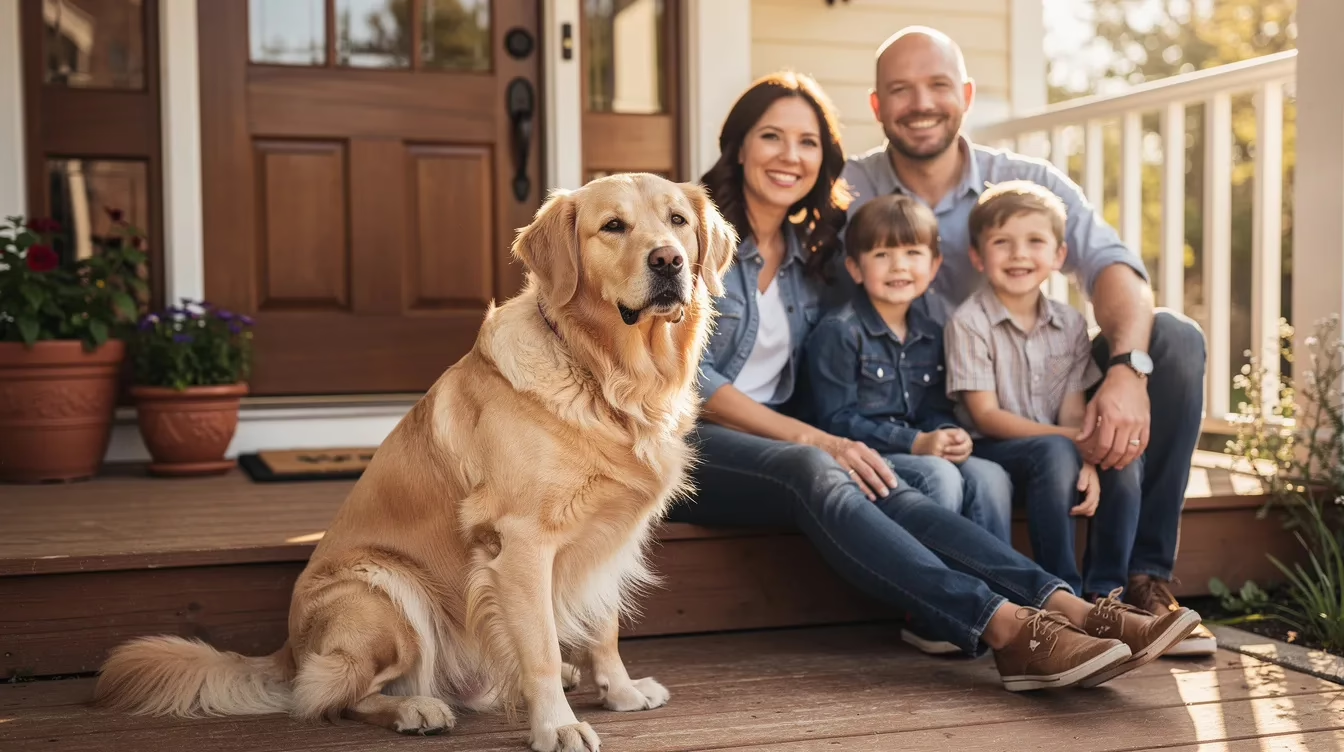
A large, calm dog is sitting on a front porch next to a smiling family, showcasing the bond of responsible pet ownership. The scene emphasizes the importance of proper training and socialization to prevent aggressive behavior in certain dog breeds.

Bite Frequency Data by Dog Breed

Before examining specific breeds, it is important to understand the limitations of bite statistics. Breed identification in dog bite reports is often inaccurate, affecting bite statistics in significant ways. Many reports rely on visual identification by victims, witnesses, or first responders, and studies have shown that dogs are frequently misidentified, particularly when labeled as pit bull-type dogs. Additionally, population size influences the frequency of bites in breed reports. Without knowing how many individual dogs of each breed exist in a given community, it is impossible to calculate a true per-dog bite rate. There is no scientifically accepted ranking of dog breeds by tendency to bite.

With those caveats in mind, the data does show patterns worth understanding.

Breeds Most Frequently Reported in Bite Incidents

The following breeds appear most often in reports of medically significant dog bite incidents across the U.S.:

Pit bull-type dogs. Pit bulls account for 67 percent of dog bite fatalities, according to frequently cited national fatality databases. Pit bull bites tend to result in more severe injuries due to the size and strength of these muscular dogs. Staffordshire terriers and similar breeds are often grouped under this category. Despite their historical reputation in some circles as nanny dogs, the data on fatal dog attacks involving pit bull-type dogs is substantial. Pitbull attacks receive outsized media coverage, which may further skew public perception, but the severity data remains notable.

Rottweilers. Rottweilers were involved in 39 fatalities from 1979 to 1998 and are significantly represented in serious injuries from bite incident data. These large dogs have strong protective instincts and guarding instincts that, without consistent training and proper socialization, can lead to aggressive behavior. Rottweiler owners bear particular owner responsibility for early socialization and obedience work.

German Shepherds. German Shepherds were involved in 17 fatal dog attacks from 1979 to 1998. As herding breeds with working dog backgrounds, german shepherds can display territorial behavior and reactivity when improperly socialized. They are commonly used as guard dogs, and their strong bite force means that when a large working dog injures someone, force and size often make the outcome more medically significant.

Mixed breed dogs. Mixed-breed dogs account for a high volume of overall bites, and mixed-breed dogs account for around 4 percent of fatal dog attacks. Because mixed breed dogs make up a large portion of the overall dog population, their representation in bite reports partly reflects their sheer numbers rather than an inherently higher tendency to bite humans.

Chow Chows. Chow Chows have been documented in fatal bite incidents and are known for territorial behavior and aloofness with strangers. These dogs require early socialization and experienced handling. Without it, certain breeds like Chow Chows can become reactive and unpredictable around unfamiliar people.

Other breeds, including cocker spaniels and various small dogs, also appear in bite reports, though their bites typically cause less severe injuries. Larger breeds are overrepresented in cases requiring significant medical intervention simply because of the greater force involved.

Factors Beyond Breed That Influence Bite Risk

A dog’s genetics, upbringing, health, training, and environment all influence its likelihood of biting. Focusing on breed alone misses critical factors:

Training and socialization. Proper training can significantly reduce dog bite incidents. Dogs that lack proper training or have experienced poor training are far more likely to display violent behavior. Socializing dogs early helps prevent aggressive behavior and build positive behavior by teaching them to tolerate a range of people, other dogs, other animals, and environments. Unsocialized dogs are more reactive to everyday stimuli.

Environmental stressors. Dogs that feel threatened are more likely to bite. Chained dogs and dogs kept in isolation show higher rates of aggressive behavior. Chaining or tethering dogs for long periods increases bite risk. Overwhelming environments, crowds, and unfamiliar situations can push even properly socialized dogs past their threshold.

Health and reproductive status. Pain, illness, and untreated medical conditions lower a dog's tolerance. Unneutered male dogs are disproportionately responsible for bite incidents, making spaying and neutering an important part of responsible pet ownership.

Owner behavior. Dog owners set the tone for a dog's behavior through management, supervision, and training choices. Lack of training increases the likelihood of dog bites. Responsible dog ownership, including providing mental stimulation, exercise, and veterinary care, reduces risk across all breeds.

Size and strength. While small dogs may actually bite more frequently in some studies, large dogs cause more severe injuries per incident. This is why particular breeds with powerful jaws appear disproportionately in reports of fatal bites and dog bite fatalities.

A family strolls through a serene residential neighborhood in Utah on a sunny afternoon, enjoying the warm weather and the peaceful surroundings. This image captures the essence of family time, away from the potential dangers of dog bite incidents that can occur in such environments.

Contact us now

free consultation

    Free Consultation

    available 24/7
    No fee unless we win. Available day or night to take your call. Speak directly with an attorney about your case.

    Warning Signs That Indicate a Dog May Bite

    Recognizing dog body language before a bite occurs is one of the most effective ways to prevent injury. Most dog bites are preceded by warning signals that, when recognized, give people time to back away safely. Recognizing warning signs can help prevent dog bites.
    Physical Warning Signs

    Rigid body posture and raised hackles. When a dog's body goes stiff and the fur along its spine stands up, the dog is experiencing high arousal or tension. This is one of the clearest signs a dog may bite.

    Direct staring, lip lifting, or showing teeth. A hard, unblinking stare directed at a person is a warning. Lip lifting that exposes teeth is an escalation signal that often precedes snapping or biting.

    Tail position changes. A tail held high and stiff or wagging rigidly can indicate agitation rather than friendliness. Conversely, a tail tucked tightly under the body signals fear, and fear-based reactions are a common trigger for biting dogs.

    Backing away, cowering, or freezing. These are fear-based responses. A dog that is trying to create distance is communicating that it feels threatened, and dogs that feel threatened are more likely to bite if escape is not possible.

    Behavioral Warning Signs

    Growling or snarling as clear auditory warnings that should never be punished or ignored.

    Resource guarding around food, toys, or sleeping areas. This is a common cause of dog bites in the home, especially involving small children.

    Snapping at air or quick lunging motions without making contact. These are rehearsals for a real bite.

    Excessive yawning, lip licking, or panting when not hot or exercising. These displacement behaviors indicate stress and should be treated as early warning signals.

    Situational Risk Factors

    Dogs in pain, illness, or recovery from medical procedures have lower bite thresholds.

    Unfamiliar environments or overwhelming social situations can trigger reactive behavior. Certain breeds may display higher reactivity or fear-based snapping.

    Protective behavior around puppies, food, or territory, especially in breeds with strong guarding instincts.

    Previous negative experiences that create conditioned fear responses. Poor socialization can lead to aggressive behavior in dogs across all breeds.

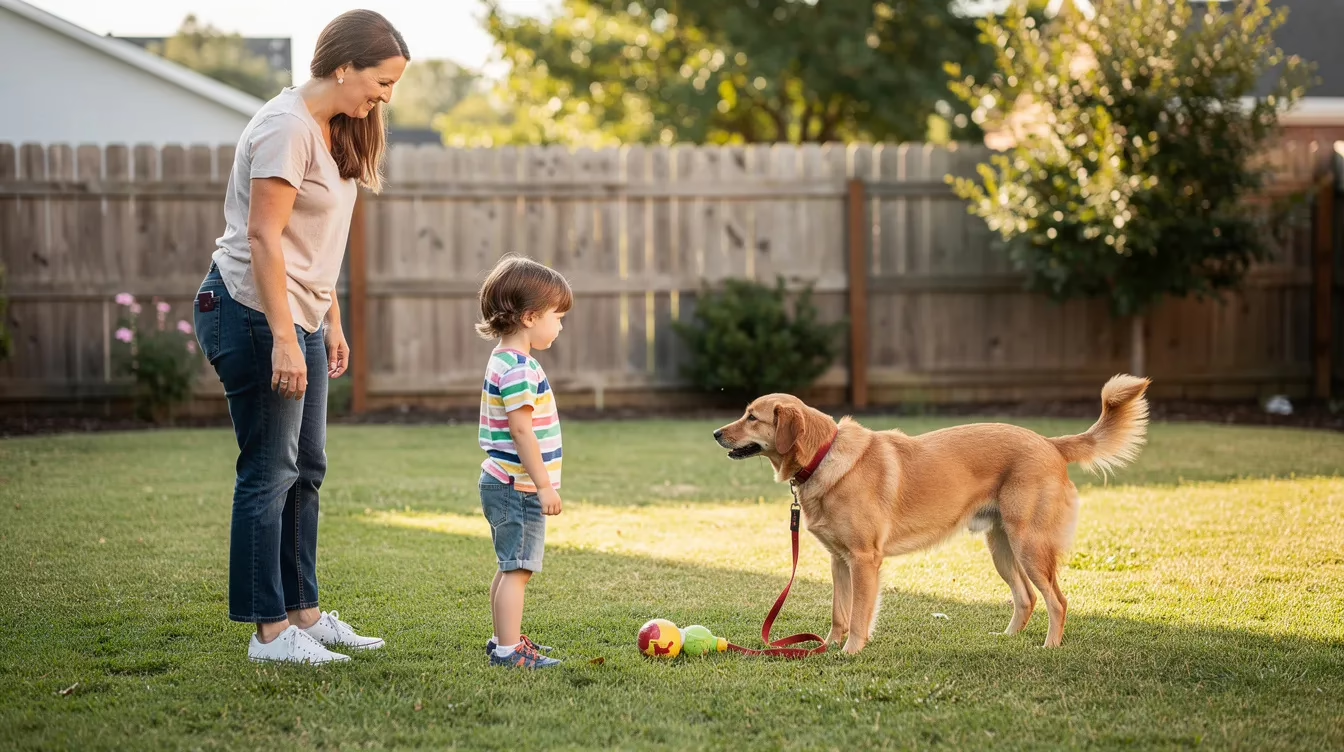
    A child stands at a safe distance from a dog in a backyard, while an adult supervises nearby, emphasizing responsible pet ownership and the importance of understanding dog body language to prevent dog bite incidents. The scene highlights the need for proper socialization and training of individual dogs, particularly with certain breeds that may exhibit aggressive behavior.

    Preventing Dog Bite Incidents

    Understanding which breeds bite most often and recognizing the warning signs are only useful if paired with practical prevention strategies. Supervise interactions between children and dogs to prevent bites, and follow these guidelines for safe behavior around all dogs alike.

    Safe Interaction Guidelines

    Always ask the dog owner's permission before approaching any unfamiliar dog.

    Let the dog sniff your closed hand held low before attempting to pet.

    Avoid direct eye contact and sudden movements. Approach calmly from the side.

    Pet shoulders or chest rather than reaching over the head or face initially.

    Never approach a dog that is eating, sleeping, chewing a toy, or caring for puppies.

    If a dog shows any warning signs, stop interacting immediately and give the dog space.

    Supervising Children Around Dogs

    Young children aged 5 to 9 account for most severe bite victims, making supervision the single most important prevention measure.

    Never leave small children unsupervised with any dog regardless of breed or how friendly the dog appears.

    Teach children not to pull ears, tails, or fur, and never to climb on or hug dogs tightly.

    Establish quiet zones where dogs can retreat without being followed, reducing stress for the animal.

    Monitor play sessions for signs of overstimulation in either the children or the dogs involved.

    Teach children to recognize basic dog body language, including growling, stiffening, and backing away as signals to stop and move away.

    Responsible Dog Ownership Practices

    Responsible ownership is the most effective way to prevent dog bite incidents across all aggressive dog breeds and gentle breeds alike:

    Early socialization during critical puppy development periods, including gradual exposure to multiple dogs, people of all ages, and varied environments.

    Consistent training using positive reinforcement methods. Punitive training approaches can increase fear and aggressive behavior.

    Regular veterinary care to identify pain, dental issues, or illness that may cause irritability and change a dog's behavior.

    Secure fencing and leash control in public spaces. Dogs should never roam unsupervised.

    Mental stimulation and adequate exercise to prevent frustration-based aggression.

    Spaying or neutering, which reduces hormonally driven aggression, particularly in male dogs.

    Steps to Take If You Are Bitten

    Even with the best prevention efforts, dog attacks still happen. In 2021, dog attacks caused 30 to 50 deaths in the U.S., and hundreds of thousands of people sought emergency medical attention for bite injuries. Knowing what to do immediately after a bite can protect your health and preserve your ability to seek compensation.

    Immediate Medical Response

    Clean the wound thoroughly with soap and running water for at least five minutes.

    Apply firm pressure with clean gauze or cloth to control bleeding.

    Cover the wound with a sterile bandage or clean dressing.

    Seek medical attention promptly for any puncture wounds, deep lacerations, bites to the face or hands, or any signs of infection such as redness, swelling, or warmth, because prompt evaluation is especially important since some bites can lead to fatal attacks in rare cases and, more commonly, severe complications if left untreated.

    Report the bite to local animal control or your local health department. Utah regulations require that a dog that bites a person be confined and observed for 10 days, regardless of vaccination status.

    Documentation and Reporting

    Photograph your injuries from multiple angles, including follow-up photos showing progression of healing or worsening.

    Gather witness contact information and statements if anyone saw the incident.

    Obtain the dog owner's name, contact information, and the dog's vaccination records if possible.

    File an incident report with the appropriate Utah animal control agency. Many Utah municipalities require bite reports within 24 hours.

    Keep detailed records of all medical treatment, expenses, lost wages, and any other costs related to the injury.

    Under Utah Code section 18-1-1, dog owners are liable for injuries caused by their pets regardless of whether the dog has shown prior aggressive behavior. This strict liability standard means that a victim does not need to prove the owner knew the dog was dangerous. However, comparative negligence under Utah Code section 78B-5-818 may reduce damages if the victim is found partly at fault. Victims can seek compensation for medical bills from dog owners. If you have been injured, consulting with an attorney who handles dog bite cases can help you understand your options.

    Frequently Asked Questions

    Which dog breeds bite most often according to statistics?

    In national medical literature covering severe bites since 2001, pit bull-type dogs are the most frequently identified breed, followed by mixed breed dogs, german shepherds, and Rottweilers. However, most dog bites go unreported, breed identification in reported bites is often inaccurate, and the dog population size for each breed is unknown, making true per-breed risk calculations impossible.

    Are certain breeds naturally more aggressive than others?

    Breed-related genetic predispositions exist for traits like guarding, herding, and territoriality, but aggressive behavior in individual dogs depends heavily on training, socialization, health, and environment. A dog’s tendency to bite is driven by a mix of biological, physical, and environmental factors. Breed specific legislation targeting particular breeds remains controversial, and many veterinary organizations advocate for approaches based on individual dog assessment rather than labeling any single breed a dangerous breed.

    What should I do if a dog shows warning signs of aggression?

    Back away slowly without making direct eye contact. Do not run, scream, or make sudden movements. Give the dog space and remove yourself or any children from the area. If you encounter a loose aggressive dog in public, contact local animal control.

    How can I teach my children to safely interact with dogs?

    Teach children to always ask an adult before approaching any unfamiliar dog, to stand still if an unknown dog approaches them, and to recognize basic warning signs like growling, stiff posture, and bared teeth. Practice these skills regularly. Young children should always be supervised around dogs, including the family pet.

    What factors make a dog more likely to bite beyond breed?

    Key factors include lack of proper socialization, poor training or no training, pain or illness, environmental stress, being chained or isolated for long periods, and reproductive status. Unneutered male dogs are disproportionately involved in bite incidents. Owner responsibility, including providing consistent training, veterinary care, and appropriate supervision, is the single greatest factor in preventing dog bite incidents.

    Conclusion and Safety Reminders

    While certain dog breeds appear more frequently in bite statistics, the evidence consistently shows that a dog’s behavior depends on training, socialization, health, and circumstances far more than breed alone. Responsible pet ownership, proper training, and early socialization are the most effective tools for reducing bite risk across all breeds.

    To stay safe around dogs:

    Learn to read dog body language and respect the warning signs.

    Supervise all interactions between children and dogs, regardless of breed.

    Practice safe interaction techniques with every unfamiliar dog you encounter.

    If bitten, seek medical attention, document the incident, and understand your legal options under Utah law.

    This is general information, not legal advice.

    Bitten by a dog in Utah? Talk to a dog bite attorney today, free.

    Related Articles