

Ski Accident Guide for Utah: What To Know If You’re Hurt On the Slopes
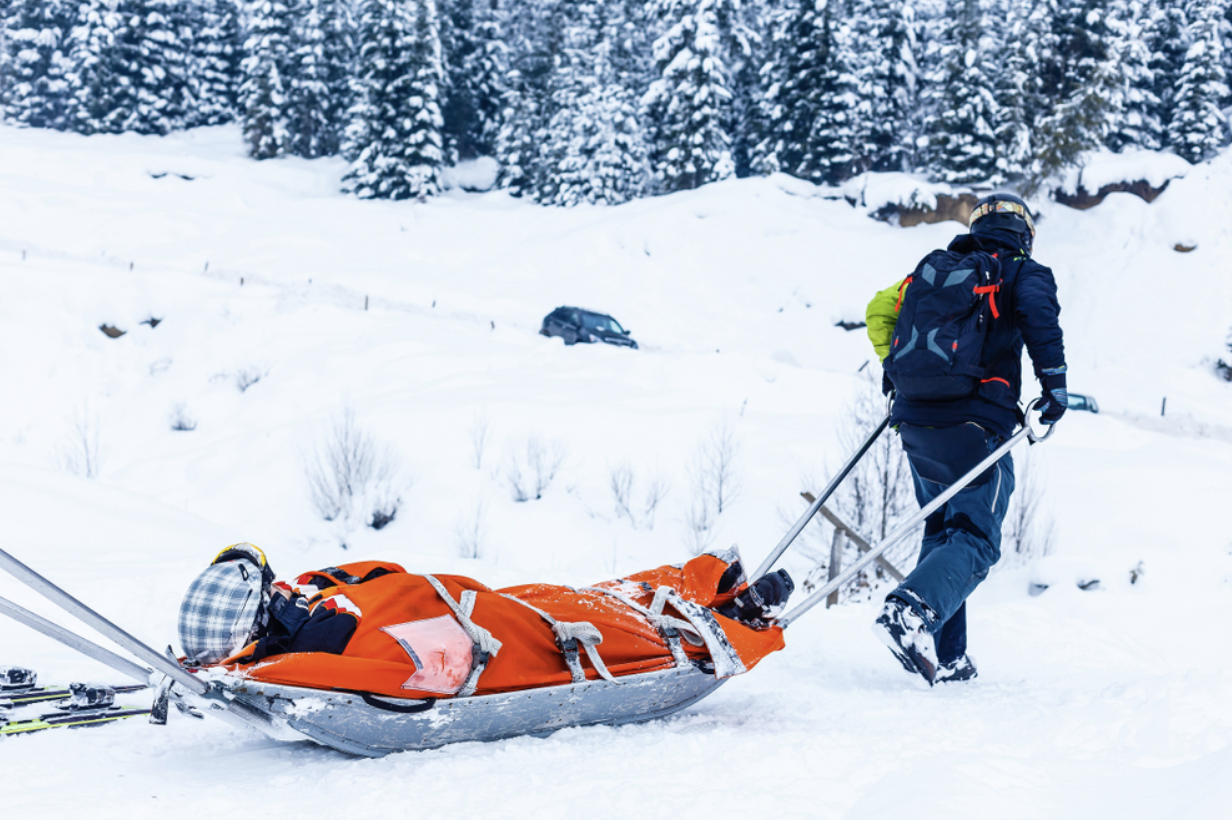
Utah is one of the best places in the world to ski, and the slopes bring people from every corner of the country. Fresh powder, bluebird days, and unbeatable snow make the sport exciting. At the same time, a ski accident can happen faster than you expect. One minute you’re carving a run and the next you’re on the snow trying to figure out what happened.
If you’re dealing with a ski accident in Utah, you’re not alone. Ski resorts see thousands of visitors each season, and injuries are more common than most people think. Knowing what to do next matters for your health, your recovery, and any future claim you choose to pursue. This guide walks you through what to expect, what steps help protect your rights, and how a Utah personal injury attorney can support you after an accident.
Why Ski Accidents Happen So Often
Skiing is fast, unpredictable, and full of moving parts. Even when you’re careful, things go wrong. You might run into a skier who loses control. You might catch an edge on ice. You might get hit from behind by someone going too fast for the trail. A ski accident does not have one single cause and that’s part of what makes these cases complex.
Common reasons for a ski accident in Utah include:
- Skier or snowboarder collisions
- Icy or hard packed conditions
- Poor visibility during storms
- Faulty or improperly adjusted equipment
- Resorts that fail to mark hazards
- Speeding or reckless skiing
- Lift line incidents or chairlift mishaps
Utah’s resorts are popular, and crowded slopes increase the chance of a ski accident. When more people share a run, reaction times shrink and mistakes spread quickly. You can do everything right and still get hurt because someone else wasn’t paying attention.
What To Do Right After a Ski Accident
A ski accident is stressful and you might feel shaken up. Taking a few steady steps helps protect you and any future claim.
1. Get to Safety
Move out of the main flow of skiers if you can. You don’t want a second collision while you’re trying to figure out what’s going on.
2. Call Ski Patrol
Ski patrol is trained for situations like this. They’ll document the scene, assess your injuries, and transport you if needed. Their report often becomes an important piece of evidence.
3. Get Medical Care
Even if you feel okay, always get checked out. Ski accidents involve strong forces and injuries can hide under adrenaline. You’re dealing with high speed impacts, twisting motions, and falls on hardpack. Doctors can spot issues you might miss in the moment.
4. Gather Information
If another person caused the ski accident, get their name, phone number, and any other details the ski patrol collects. If there were witnesses, grab their contact info too. Photos help a lot, so take pictures of the scene, your injuries, trail signs, and any hazard that contributed.
5. Avoid Making Statements
You don’t need to assign blame on the spot. Focus on getting care. Some people apologize out of habit even when they didn’t cause anything. Insurance companies may use these statements later, so keep things simple and factual.
Who Is Liable for a Ski Accident in Utah?
Liability depends on the details surrounding the ski accident. Every situation is different, and Utah has its own rules. Skiing comes with assumed risks, but that doesn’t mean you’re automatically responsible for everything that happens. When someone else creates an unsafe situation or acts carelessly, you may have a claim.
These parties may be liable in a ski accident:
Another Skier or Snowboarder
Utah expects riders to stay in control, keep a proper lookout, and follow resort rules. If someone was skiing too fast, ignoring signs, cutting people off, or crashing into you from above, they may be responsible.
The Ski Resort
Resorts must mark hazards, maintain equipment, train staff, and keep trails reasonably safe. Unmarked obstacles, poorly handled lift operations, or dangerous terrain features may put some responsibility on the resort.
Equipment Manufacturers
If a binding failed, a ski broke unexpectedly, or rental equipment malfunctioned, product defects may play a role in the ski accident.
You’re not expected to figure all this out on your own. A ski accident attorney looks at every angle, gathers evidence, and identifies who is responsible.
Common Ski Accident Injuries
Ski injuries range from mild to severe. Even a low speed fall can create long term problems.
Some of the most common injuries include:
- Knee injuries like ACL or MCL tears
- Wrist and shoulder injuries from falls
- Concussions or traumatic brain injuries
- Spinal injuries
- Broken bones
- Soft tissue strains and bruising
The force of a ski accident can be intense. You’re dealing with momentum, speed, and cold conditions that increase stiffness. Many injuries take time to show up fully, which is another reason medical care is so important.
How a Personal Injury Attorney Helps After a Ski Accident
After a ski accident, you’re focused on healing. Your attorney focuses on everything else. Ski accident cases are not the same as simple car accidents. Resorts have unique rules. Skier responsibility codes come into play. Insurance policies differ from one company to another. A good attorney knows how to navigate all of it.
Here’s how they help:
- Investigate the ski accident and gather evidence
- Review ski patrol reports and medical records
- Identify liable parties
- Work with experts in snow science, equipment, or trail safety
- Handle communication with insurance companies
- Negotiate for fair compensation
- Represent you if litigation becomes necessary
The goal is to protect your rights and help you move forward with confidence. You shouldn’t feel pressured to accept a fast low offer or deal with insurance adjusters on your own. You’re recovering from a ski accident and deserve support.
What Compensation Looks Like After a Ski Accident
Every case is different, but compensation may include:
- Medical bills and ongoing treatment
- Lost income from time away from work
- Pain and suffering
- Long term rehabilitation
- Reduced quality of life
- Future medical care
A ski accident can interrupt your entire season and your daily life long after snow melts. The compensation you seek is designed to help you recover fully, not just physically but financially.
Why Ski Accident Claims Can Be Complicated
A ski accident happens in an environment full of rules, disclaimers, and shared risks. Many resorts also require waivers, and some people assume this means you can’t build a case. That’s not true. A waiver does not give a resort permission to ignore safety responsibilities. It also does not protect another skier from reckless behavior.
Multiple parties may share liability. Weather conditions may complicate things. Trail design may matter. There may be video footage or none at all. That’s why gathering information quickly and contacting an attorney early is important.
When To Talk to an Attorney
You don’t need to wait until every detail is sorted out. If you were hurt in a ski accident and you’re unsure of your rights, talking to a Utah personal injury attorney gives you clarity. Even a short call helps you understand what your next steps should be.
Pay attention to these signs that it’s time to reach out:
- The ski accident involved another skier hitting you
- Ski patrol documented someone else at fault
- You were hurt on a marked or unmarked hazard
- Equipment malfunctioned
- You’re getting calls from insurance companies
- Your injuries are serious or getting worse
- You’re unsure what compensation you may be entitled to
You Don’t Have To Navigate This Alone
A ski accident can turn a great winter day into something stressful and painful. You’re juggling medical care, time off work, and questions about what to do next. You deserve guidance from a team that understands Utah law, ski resort protocols, and personal injury claims.
Robert J. DeBry & Associates has helped countless Utahns after an injury. When you’re facing the aftermath of a ski accident, we’re here to help you understand your options, protect your rights, and move toward recovery with support every step of the way.
If you’re ready to talk about your ski accident or want answers to your questions, reach out today for a free consultation.