

Immediate action is critical after a dog bite to protect the victim. If you or someone near you has just been bitten, focus on three things right now: stop the bleeding, clean the wound, and assess whether you need emergency care. The steps you take in the first minutes and hours after an animal bite directly affect your health outcome, your risk of infection, and your ability to pursue compensation later.
This page walks through immediate first aid, medical warning signs, Utah reporting requirements, documentation, and when legal help makes sense. Whether the bite came from a family pet, a neighbor’s dog, or an unfamiliar dog, the process is largely the same.
Wash the wound with mild soap and water immediately. Apply gentle pressure to control bleeding from the wound. Seek medical attention for any dog bite that breaks the skin. Then report it, document it, and protect your rights.
After reading this page, you will know how to:
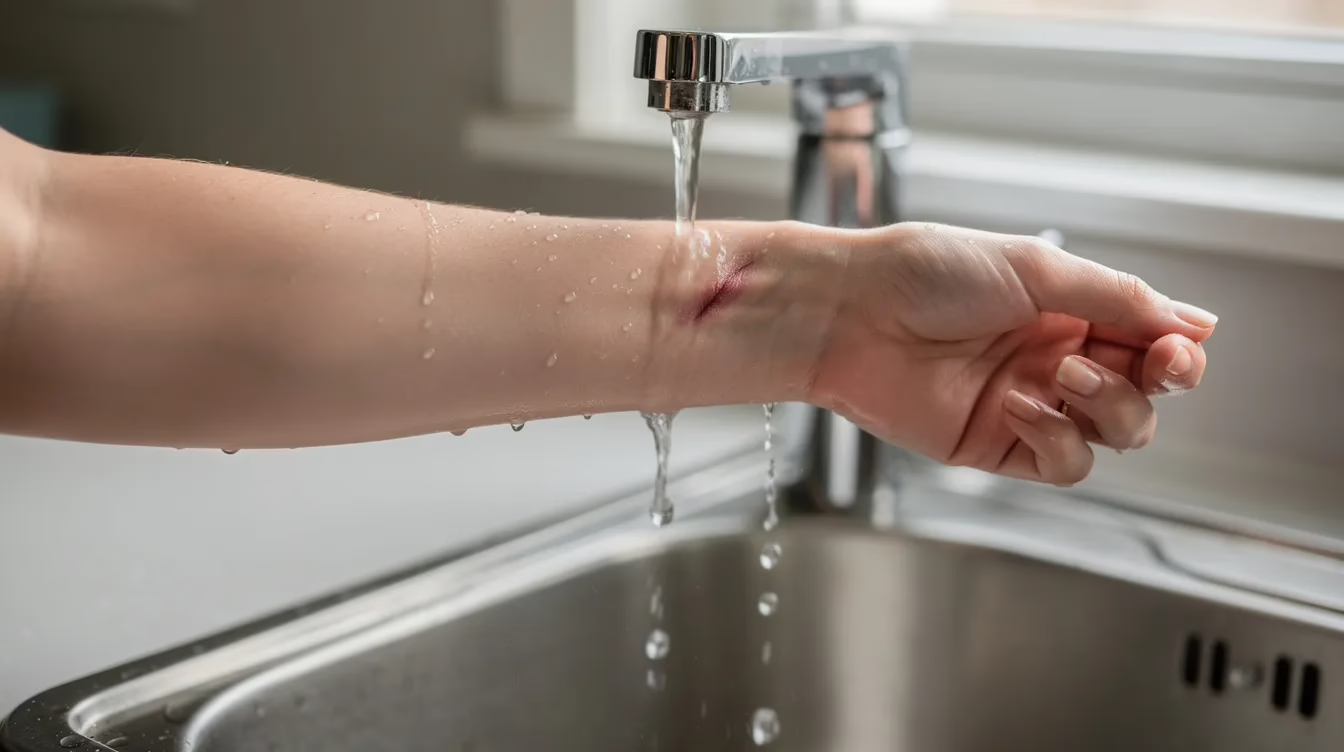
Not all dog bites cause the same type of damage. The shape, depth, and location of the wound determine infection risk, treatment approach, and long-term consequences. Understanding what you are dealing with helps you respond correctly.
Dog bite injuries generally fall into three categories:
Dog bites can introduce bacteria like Pasteurella and Staphylococcus. Dog bites can also introduce bacteria like Streptococcus and various anaerobic organisms. Infection is a primary concern with dog bites. Between 3 percent to 18 percent of dog bites become infected, and Pasteurella bacteria is found in about half of infected bites. Dog bites can lead to severe bacterial infection, which is why even a wound that appears minor deserves medical attention.
Bites to the hands, wrists, and face carry the highest risk. The hand contains a dense network of tendons, joints, and small structures where bacteria can settle into spaces that are difficult to clean. A deep bite to the hand can cause permanent dysfunction if not treated promptly.
Facial wounds are cosmetically sensitive and often involve structures near the eyes, ears, or neck. However, because the face has strong blood flow, facial bites that receive quick treatment may actually resist infection better than hand wounds. Head and face injuries tend to bring people to the emergency room faster, which improves outcomes.
Rabies can be fatal if left untreated after a dog bite. Under Utah health rules, a dog that bites a person must be confined and observed for at least ten days from the date of the bite, regardless of rabies vaccination status. During that observation period, if the animal shows signs of illness, the situation must be reported to the local health department immediately. Rabies shots are needed if the dog’s vaccination status is unknown. Check if the dog has been vaccinated for rabies as soon as possible after the incident.
Understanding the wound you are dealing with determines how urgently you need to act, which leads directly to the first aid steps below.

Once you have assessed the severity of the bite, begin first aid without delay. The goal is to reduce the risk of infection, control bleeding, and stabilize the wound until you can seek medical treatment.
Follow these steps immediately after a bite:
Seek medical attention for serious or uncontrollable bleeding. If you cannot stop blood flow after several minutes of steady pressure, go directly to the emergency room.
Seek immediate medical attention if any of the following apply:
About half of dog bite victims are children, so adults should be especially alert when a child is bitten and seek treatment promptly. When heading to the ER, bring the dog owner’s name and contact information, the animal’s vaccination records if available, and details about when and where the bite occurred. Providing contact information is necessary after a dog bite incident.
After cleaning, cover the wound with a clean bandage or sterile dressing. Change the dressing daily. Keep the wound dry and protected from contamination. Avoid tight bandages that restrict circulation around the affected area.
Medical attention should be sought for any dog bite that breaks the skin, even if initial first aid goes well. Professional evaluation helps catch problems you may not see on the surface.
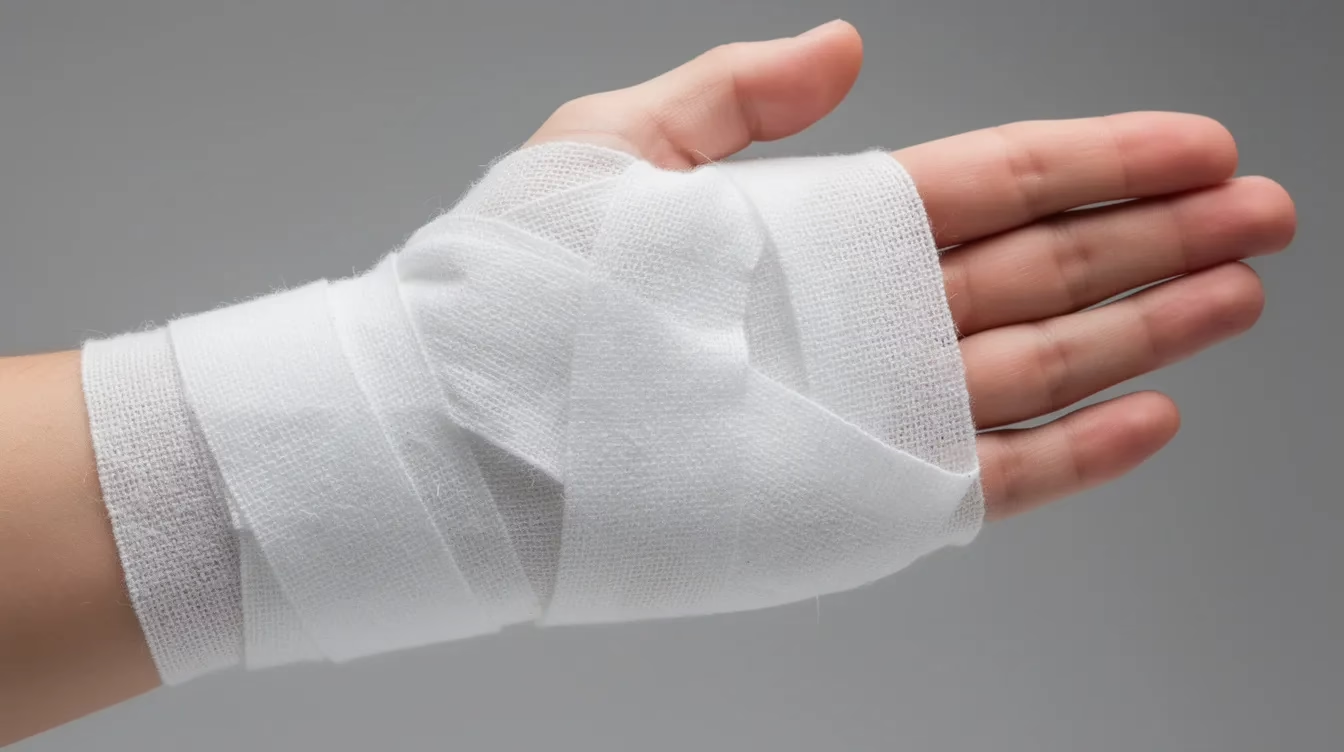
Professional medical evaluation serves two purposes: it protects your health, and it creates records that matter if you pursue a legal claim. Dog bite treatment may include antibiotics and tetanus shots depending on wound severity and your vaccination history.
Monitor for signs of infection within the first 48 hours and beyond. Infection symptoms include:
Signs of infection from a dog bite can appear within 24 hours but may take several days to develop. Some bacteria, such as Capnocytophaga, can cause symptoms days after the initial bite, particularly in people with weakened immune systems. If you notice any of these signs, see a doctor immediately.
Photograph the wound right away and continue photographing it at regular intervals, ideally every 12 to 24 hours. Include a reference object like a coin or ruler for scale. These images serve as medical and legal documentation of how the injury progressed.
Many jurisdictions legally require reporting dog bites to local authorities, and Utah is no exception. Dog bites are reported to the county health department. In Salt Lake City, for example, local ordinances require that the bite victim, the dog owner, and any treating physician report the bite within 24 hours to animal services or the health department.
Report the dog bite to local health authorities even if the animal is known and vaccinated. Reporting protects you, helps animal control track potentially dangerous animals, and triggers the mandatory observation period for the dog. If the dog owner is unknown, reporting is especially important so authorities can attempt to locate and quarantine the animal.
For more on Utah-specific liability rules, see our page on Utah dog bite laws.
Strong documentation supports both your medical recovery and any future legal claim. Take these steps as soon as possible:
Maintaining a daily journal of symptoms, pain levels, limitations, and emotional effects adds further support. This documentation becomes critical if you need to demonstrate the full impact of your injury.
Dog bite cases do not always follow a straightforward path. Here are obstacles victims commonly face and practical ways to handle them.
If you were bitten by an unfamiliar dog and cannot identify the owner, report the incident to animal control and the local health department with as much detail as possible. Note the dog’s breed, color, size, and behavior. Describe the location and time precisely. Law enforcement and animal control have investigation tools that private individuals do not.
When the dog cannot be located, medical providers may recommend a more cautious treatment approach, including rabies post-exposure prophylaxis. The rabies vaccine series is typically administered on days 0, 3, 7, and 14.
Insurance adjusters may contact you quickly after a bite, sometimes requesting a recorded statement or pushing for an early settlement. Be cautious. The full extent of dog bite injuries, including scarring, nerve damage, and other infections, may not be apparent for weeks or months. Do not sign any release or accept a settlement offer before you understand the complete scope of your injuries and medical needs.
Some complications develop well after the initial bite. Tendon injuries, nerve damage, and deep infections may not become obvious for days or weeks. Scar formation and cosmetic issues can evolve over months. Psychological effects, including anxiety and fear around dogs, can also affect a victim’s emotional well-being during recovery, especially in children. Seek medical attention if new symptoms appear, and continue documenting changes over time.
Our guide to steps after a dog bite covers additional post-incident considerations.
Timing matters in Utah dog bite cases. Evidence fades, memories shift, and medical records are easier to compile when treatment is recent.
Under Utah Code section 18-1-1, dog owners are liable for injuries caused by their dogs even if the owner had no prior knowledge that the dog was dangerous. This strict liability standard means a bite victim does not need to prove the owner was negligent, only that the dog caused the injury. There are limited exceptions, such as bites involving certified law enforcement dogs acting under proper protocols or injuries to trespassers under certain conditions.
Utah law generally requires personal injury claims, including dog bite claims, to be filed within four years of the date of injury. Missing that deadline typically bars your civil claim entirely.
Consider speaking with a personal injury attorney if:
Robert J. DeBry & Associates handles dog bite cases on a contingency fee basis, meaning you pay no attorney fees unless the firm recovers compensation for you. A support staff of over 50 legal professionals assists with personal injury matters throughout Utah. If you have been bitten, you can call 801-888-8888 or submit a form online for a free consultation.
For a broader look at how liability works in these cases, visit Dog Bite Lawyers: Protecting Your Rights After an Attack.
Proper response after a dog bite protects your health, satisfies legal reporting requirements, and preserves your ability to seek compensation. The hours and days after a bite are when the most important decisions happen.
Related topics that may be useful include understanding dog bite laws in Utah and whether you may be able to pursue a claim for loss of enjoyment of life.
A note on prevention: National Dog Bite Prevention Week is April 12-18, 2026. Teach children to avoid approaching unknown dogs without the owner’s permission and to give dogs space while they are eating. Socialize your puppy early to reduce the risk of bites. Remove dogs from situations that make them nervous, using a leash when needed to maintain control. If dogs begin fighting, do not reach between them to separate them. Never leave young children unsupervised with any pet, even a family pet.
This is general information, not medical or legal advice.
Ice may help with pain and swelling, but it is not a substitute for thorough wound cleaning. The priority is to wash the wound with mild soap and warm water, apply pressure to stop bleeding, and cover with a clean bandage. If you use ice, wrap it in cloth and apply briefly. Do not allow ice to delay seeking medical attention.
Local ordinances in areas such as Salt Lake City require reporting within 24 hours. Whether you are the victim, the dog owner, or a treating healthcare provider, prompt reporting to animal services or the local health department is required. County health departments across Utah have similar requirements.
If the dog owner cannot or will not provide vaccination records, report the bite to animal control. Authorities can order quarantine of the animal for the recommended observation period of 10 days. Your doctor will evaluate whether rabies shots or other preventive treatment is needed based on the circumstances.
Yes. While rabies in domestic dogs is uncommon, it is not impossible, particularly with unvaccinated animals or animals exposed to other animals such as bats, skunks, or cats that may carry the virus. If the dog’s rabies vaccination status is unknown, a healthcare provider will assess whether rabies post-exposure prophylaxis is appropriate.
Utah law generally allows four years from the date of injury to file a personal injury lawsuit. However, waiting can make it harder to gather evidence. Speaking with an attorney early helps preserve your options.
Utah dog bite claims may seek recovery for medical expenses, lost income, pain, scarring, and related losses. The amount depends on the severity of the injury, the documentation you have, and the specific facts of the case. No outcome can be guaranteed, and each case is different. An attorney can evaluate your situation during a free consultation.